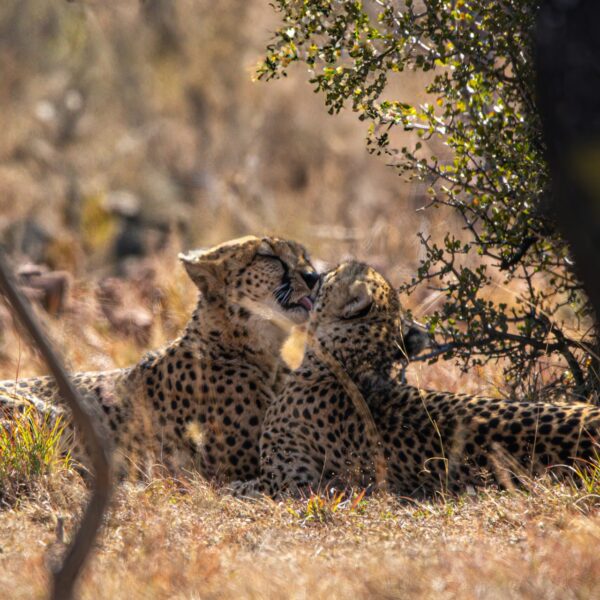
The leopard moves through the acacia at the edge of dusk — low, deliberate, amber eyes catching the last light. Around your open vehicle, no one speaks. The only sound is the dry grass shifting in the evening breeze and the distant call of a fish eagle over the river.
This moment exists because someone protected it.
The grasslands, the water sources, the anti-poaching patrols operating quietly in the dark, the Maasai community that chose conservation over cattle — all of it is held together by a fragile, extraordinary ecosystem of human decisions. And your presence here, as a traveler, is one of those decisions.
A sustainable safari in East Africa is not a compromise. It is not the less exciting version of a “real” safari. It is, increasingly, the only version worth taking — and when it’s done well, it is also the most rewarding experience the continent offers. This is everything you need to know before you book.
What Does "Sustainable Safari" Actually Mean?
The word sustainable is used liberally in travel marketing — and that makes it worth examining carefully. For a safari to be genuinely sustainable, it needs to deliver on three connected commitments:
1. Environmental responsibility This means the lodge or camp minimises its ecological footprint — through solar energy, water recycling, waste management, and building designs that disturb the landscape as little as possible. It also means staying within carrying capacity: not too many vehicles at a sighting, not too many guests per square kilometre of wilderness.
2. Community benefit Conservation in East Africa only survives long-term when local communities have a stake in it. Sustainable operators employ local guides, source food from nearby farms, fund schools and clinics in adjacent villages, and support land-use agreements that give communities a financial incentive to protect wildlife corridors rather than fence them off for agriculture.
3. Wildlife welfare Responsible safari means game drives conducted by trained, ethical guides who follow accepted wildlife protocols — no off-road driving in sensitive areas, no crowding at kills, no baiting, no interaction with wild animals outside of passive observation. The animals’ behaviour and welfare come first, always.
When all three pillars are in place, sustainable safari is indistinguishable from — and often superior to — conventional safari. The guides are better. The camps are more intimate. The sightings are just as extraordinary. And you leave knowing that your visit contributed to the survival of the landscape that moved you.
“We’ve seen firsthand that when communities benefit from wildlife tourism, poaching drops and wildlife populations recover. Conservation tourism isn’t charity — it’s the most effective tool we have.” — Safaris Without Borders, 20+ years operating in East Africa
Why Sustainability Matters More Than Ever
East Africa’s wildlife is not guaranteed. The landscapes that draw millions of travelers every year — the Maasai Mara, the Serengeti, Amboseli, Laikipia — exist within complex, contested ecosystems where conservation is an ongoing negotiation between wildlife, land, communities, and economic pressure.
The threats are real:
- Habitat loss from agricultural encroachment continues to shrink wildlife corridors
- Poaching, though significantly reduced in Kenya, remains an active threat in parts of Tanzania and Uganda
- Climate change is disrupting migration patterns and seasonal rainfall that entire ecosystems depend on
- Poorly managed tourism — overcrowded camps, irresponsible game drive behaviour — degrades the very experience it sells
Responsible tourism is the antidote to each of these pressures. Wildlife-based revenue gives governments, communities, and private landowners a financial argument for protecting wild spaces rather than converting them. Without it, the economic logic of conservation collapses.
Put simply: when you choose a responsible operator and a sustainably managed camp, you are casting a vote for the continued existence of African wildlife.
What to Look For in a Sustainable Safari Operator
This is where many travelers feel uncertain. The language of sustainability is everywhere in safari marketing — but how do you know what’s genuine?
Here are the markers that separate responsible operators from those simply wearing the label:
Accreditation and certification
Look for operators certified by Ecotourism Kenya, the Rainforest Alliance, or Travelife. These are third-party verifications, not self-awarded badges. In Tanzania, the Tanzania Association of Tour Operators (TATO) maintains standards across licensed operators.
Community partnerships with named organizations
Genuine operators can tell you specifically which communities they work with, what programmes they fund, and what percentage of revenue goes to community benefit. Vague claims about “supporting local communities” without specifics are a red flag.
Environmental practices at the lodge level
Ask directly: Is the lodge solar-powered? How is waste managed? Where does the water come from and how is it treated? What is the policy on single-use plastics? Responsible camps have clear, verifiable answers.
Guide quality and training
Sustainable safari is partly defined by its guides. Well-trained, fairly compensated, locally knowledgeable guides are both an indicator of responsible practice and the single biggest factor in the quality of your experience. Ask about your guide’s background and tenure before you book.
Vehicle and game drive standards
Responsible operators limit vehicles per sighting, stay on designated tracks, and set time limits at sensitive sightings. If an operator cannot confirm these protocols, keep looking.
At Safaris Without Borders, responsible tourism has been part of how we operate since day one — not as a marketing position, but as a practical commitment to the East Africa we love and have spent over 20 years exploring.
The Best Sustainable Safari Destinations in East Africa
Maasai Mara, Kenya
The Mara ecosystem is one of the world’s great conservation success stories — and a model for community-based conservation. The conservancies surrounding the national reserve (Olare Motorogi, Mara North, Naboisho, Ol Kinyei) are privately managed wildlife areas that operate on a revenue-sharing model with Maasai landowners. By staying in a conservancy camp rather than inside the reserve, you directly fund community income and benefit from exclusive game drive areas with strict visitor limits.
Sustainability credentials to look for: LEWA-affiliated properties, Maasai Mara Conservancy members, Travelife-certified camps.
Laikipia Plateau, Kenya
Kenya’s most conservation-forward landscape is a patchwork of private conservancies, community ranches, and wildlife corridors covering over 9,000 square kilometres. Laikipia is home to 50% of Kenya’s rhino population — a direct result of sustained conservation investment. Nearly every camp here is deeply integrated into community employment and wildlife monitoring programmes.
Why it stands out: Walking safaris and night drives — prohibited in national parks — are standard here, creating a more immersive, lower-footprint experience.
Amboseli, Kenya
Amboseli’s elephant research programme — the world’s longest-running — has transformed the community’s relationship with wildlife. The Amboseli Ecosystem Trust partners with Maasai communities to maintain wildlife corridors between Kenya and Tanzania. Camps here often fund the specific anti-poaching units that protect the elephants you’ll encounter.
Serengeti, Tanzania
The Serengeti’s core national park is complemented by buffer zones and private conservancies — the Grumeti Reserves in the western corridor are a standout example of private conservation done right, having transformed a heavily poached area into a thriving wildlife sanctuary through sustained community investment.
Ngorongoro Conservation Area, Tanzania
A UNESCO World Heritage Site and one of the world’s most complex conservation areas — simultaneously a wildlife reserve, a Maasai homeland, and an archaeological site containing some of Africa’s oldest human remains. The multi-use model is imperfect and under pressure, but it represents an important experiment in integrating human habitation and wildlife conservation.
Sustainable Safari Lodges: What Excellence Looks Like
The best sustainably managed safari camps share a set of qualities that, conveniently, also make them exceptional places to stay:
Low guest-to-land ratio: The most responsible camps host fewer guests per area of wilderness. This means more exclusive sightings, quieter game drives, and a lighter ecological footprint simultaneously.
Solar and renewable energy: Leading camps across the Mara and Serengeti operate entirely or almost entirely on solar power. Some have eliminated diesel generators entirely.
Local sourcing and employment: Look for camps that source vegetables and staple foods from adjacent community farms, employ locally trained guides, and invest in staff development. This is both an ethical marker and a quality marker — locally bred guides who have spent their lives in the bush produce incomparably richer experiences.
Conservation contribution: Many of the finest camps contribute a portion of their revenue to specific conservation funds — anti-poaching units, wildlife veterinary programmes, camera trap networks, or land lease payments that keep wildlife corridors open.
Water and waste management: Responsible camps in water-scarce environments use borehole management, greywater recycling, composting, and solar water heating as standard. Single-use plastic should be absent from the property.
How to Travel Responsibly: A Practical Guide for Safari Travelers
Choosing a responsible operator is the single most important decision you’ll make. But there are also meaningful choices you can make as an individual traveler:
Before you go:
- Choose an operator that can demonstrate specific, verifiable community and conservation partnerships — not just marketing language
- Opt for lodges with third-party accreditation where possible
- Pack a reusable water bottle; most responsible camps provide filtered water
- Research the wildlife protocols at your chosen destination so you know what ethical game driving looks like
On safari:
- Never pressure your guide to approach wildlife too closely or to stay at a sighting beyond what is comfortable for the animals
- Follow your guide’s instructions during bush walks — your safety and the integrity of the environment both depend on it
- Avoid purchasing wildlife products, shells, coral, or hardwood curios — many are protected under CITES legislation
- Ask questions. Guides and camp managers love guests who are genuinely curious about conservation — it enriches the experience for both of you
With local communities:
- Visit community-run cultural programmes rather than performative “Maasai village” tours that exploit tradition for tips
- Purchase crafts directly from community cooperatives where revenue goes to the artisan
- Be respectful with photography — always ask before photographing people, and never offer money to children for photographs
After you travel:
- Share your experience honestly and review your operator on platforms like TripAdvisor — responsible operators depend on word of mouth
- Consider supporting one of the conservation organisations operating in the areas you visited
Is Sustainable Safari More Expensive?
Honest answer: sometimes slightly, rarely significantly.
The premium conservancy camps in the Maasai Mara do carry higher rates than standard camps inside the national reserve — but that premium buys you exclusive game drives with no other vehicles, off-road access, night drives, and walking safaris. In value terms, it is almost always the better investment.
Many sustainable camps are priced comparably to conventional mid-range options. The difference is often not in the headline price but in what is included — and in the quality of the experience it delivers.
SWB specialises in mid-range safaris that prioritise genuine value. We work with operators and camps whose ethical credentials are something we’ve verified directly — not taken on trust from a brochure.
Who Is a Sustainable Safari Perfect For?
Conscious travelers: Those who want their travel to align with their values — without trading away quality or comfort.
Wildlife enthusiasts: If you care deeply about African wildlife, sustainable tourism is the most direct action you can take to protect it.
Honeymooners: Intimate conservancy camps with exclusive game drives create a naturally romantic atmosphere that crowded national park lodges rarely match.
Families: Sustainable camps often offer exceptional educational programming for children — guided bush walks, conservation talks, stargazing. Families leave with more than photographs.
Repeat visitors: Travelers returning to East Africa often find that conservancy-based safaris reveal an entirely different depth to landscapes they thought they knew.
Frequently Asked Questions
What is the difference between a national park and a conservancy? A national park is government-managed land where strict rules govern land use, and all tourism revenue goes to the national parks authority. A conservancy is typically privately or community-owned land adjacent to national parks, managed for wildlife under an agreement with local landowners. Conservancies often allow activities prohibited in parks — night drives, walking safaris, off-road driving — and direct revenue more immediately to communities. Many of East Africa’s finest sustainable safari experiences are in conservancies, not parks.
How do I know if a safari operator is genuinely sustainable? Ask for specifics. Which communities do they work with, and how? What percentage of staff are local? Which conservation organisations do they support financially? Are their camps accredited by Ecotourism Kenya, Travelife, or a recognised third party? Responsible operators welcome these questions. Those who respond with vague marketing language should give you pause.
Does sustainable safari mean giving up luxury? Not at all. Some of East Africa’s most acclaimed luxury properties — camps with world-class food, private plunge pools, and legendary guiding — are also among the most sustainably managed. Environmental responsibility and exceptional hospitality are entirely compatible.
Is wildlife truly protected in East Africa? Kenya and Tanzania have made significant conservation gains over the past two decades. Kenya’s elephant and rhino populations have grown substantially, and community conservancy models have reduced poaching in many areas. Challenges remain — particularly around habitat loss and human-wildlife conflict — but the trajectory in well-managed ecosystems is positive. Responsible tourism is a key reason why.
Can I volunteer or contribute directly to conservation on my safari? Many responsible operators can arrange conservation add-ons — joining a rhino monitoring walk in Laikipia, assisting with a wildlife count in the Mara, visiting a community school funded by your lodge. Let us know when enquiring if this is something you’d like to include and we’ll build it into your itinerary.
Is East Africa safe for sustainable safari travel? East Africa’s major safari destinations — Kenya, Tanzania, and Uganda — are welcoming, established tourism destinations. The areas visited on a safari itinerary are carefully selected and monitored. Safaris Without Borders has been operating here for over 20 years; we will always advise guests transparently on any areas where conditions require attention.
Travel in a Way That Protects What You Love
The elephant at your waterhole, the cheetah cubs tumbling in the golden grass, the million-strong wildebeest herd rolling across the Mara River — these things exist because people chose to protect them. And they will continue to exist only if people continue to make that choice.
Your safari is not separate from that story. It is part of it.
A sustainable safari in East Africa means you arrive as more than a witness. You arrive as a participant — someone whose visit strengthens the case for conservation, contributes to the livelihoods of the communities who share their land with wildlife, and deepens a connection to the natural world that, once formed, changes how you see everything.
The wildlife is extraordinary. The landscapes will move you in ways you won’t fully understand until you’re home. And knowing that your presence helped protect it all — that is the part that stays longest.
At Safaris Without Borders, every itinerary we design is built with these values at its heart. Talk to our team today and let’s plan a responsible safari in East Africa that gives back as much as it gives you.