




Family Safari in East Africa: Everything You Need to Know Before You Book
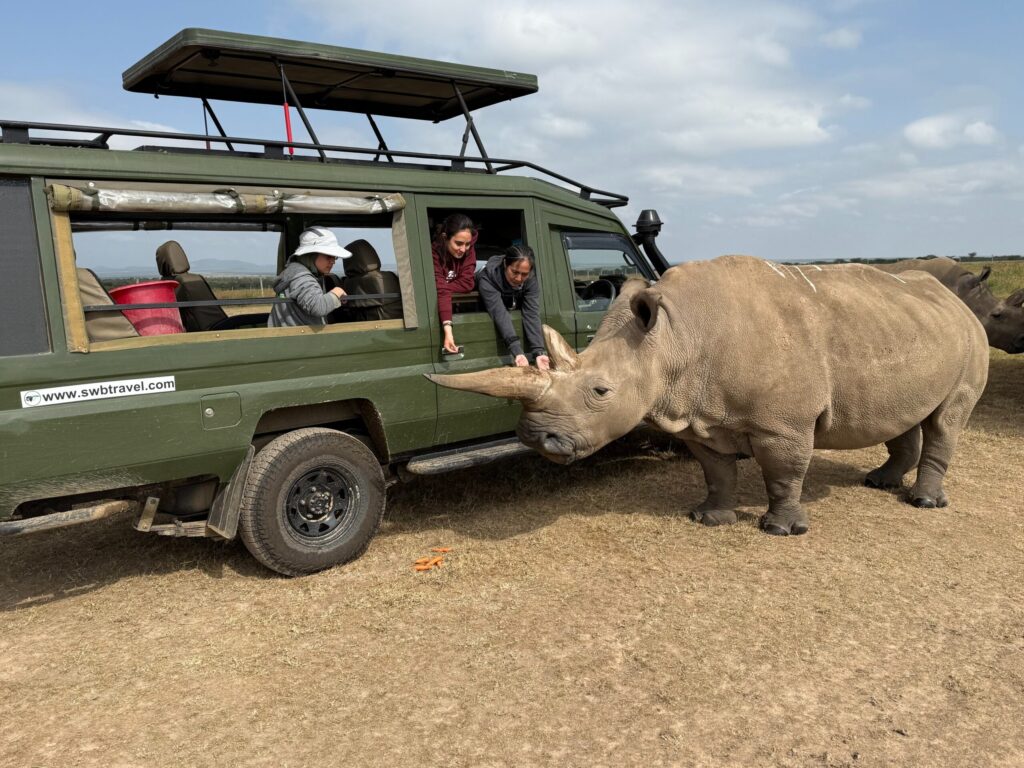
here is a photograph that every family takes on safari: the youngest child eyes wide, mouth slightly open, pointing at something enormous and close and absolutely real. A giraffe. An elephant at the waterhole. A lion crossing the road as if it owns it, which, of course, it does. In that moment, something shifts. The screen goes dark somewhere in the child’s mind, replaced by something older and more vivid: the unmediated world, in full colour and at full volume.
A family safari in East Africa is one of the great gifts you can give a child. And yourself. But it requires thoughtful planning, more than most trips, because the variables of age, temperament, physical ability, and family rhythm all come into play. This guide covers everything you need to know before you book your 2026 family safari.
The best safari for kids in Africa is one that is paced for the family, not the itinerary. Build in rest time. Choose the right parks. And lower your agenda so the animals can surprise you.
What Age Is Right for a Family Safari?
The honest answer is: it depends on the family. Most safari lodges and camps in East Africa set a minimum age of 6 to 8 years for game drives. Some premium family-focused properties welcome children from age 4, with dedicated children’s guides and modified activities. Infants and toddlers are generally not suitable for long game drives and may find the heat, early mornings, and unpredictability overwhelming.
The golden ages for a first family safari are between 8 and 16. Children in this range are old enough to absorb the experience, ask the right questions, and carry the memories in a form that will last them a lifetime. Teenagers, particularly those who may have been reluctant travellers, are frequently the family members most profoundly affected by the safari experience.
Choosing the Right Parks for Families
Not all parks are equally family-friendly. The best safari for kids in Africa tends to be in parks where wildlife is dense and relatively easy to find, drives are not excessively long, and the roads are reasonably comfortable. Here are the top recommendations for families:
The Masai Mara in Kenya is an outstanding choice. Game is plentiful and easily spotted. Drives produce results quickly, keeping young attention spans engaged. The Mara also offers optional activities: cultural visits to Maasai villages, bush walks with guides, balloon safaris that give families variety beyond the game vehicle.
Amboseli National Park in Kenya is particularly magical for families. Elephants here are so habituated to vehicles that they will sometimes walk within metres of your Land Cruiser, close enough for children to see the texture of their skin. The backdrop of Kilimanjaro adds a visual drama that photographs brilliantly and that children describe, years later, as the image they remember most.
The Serengeti in Tanzania rewards families who go for at least three nights. The vastness can initially feel empty to young visitors, but once the animals appear, they will see the scale of the landscape becomes its own lesson in wonder. Central Serengeti and the Seronera area offer the best year-round wildlife concentration for families.
Lake Nakuru in Kenya’s Rift Valley provides a more compact, manageable experience, excellent as a first stop for families arriving jet-lagged and adjusting. The flamingos, rhinos, and tree-climbing lions of Lake Nakuru produce extraordinary results in just one full day.
Avoid starting your family safari in very remote or difficult-access parks. Begin where wildlife is dense, and lodges are comfortable; you can always go wilder on a return trip.
Child-Friendly Safari Lodges in Kenya and Tanzania
Accommodation makes or breaks a family safari experience. Child-friendly safari lodges in Kenya and across Tanzania offer dedicated kids’ programs, family room configurations, swimming pools, early dinners, and guides trained to engage younger visitors. Look for lodges that offer the following: family suites or inter-connecting tents, a staffed bush baby club or kids’ programme, flexible meal times, and activities specifically designed for children such as spoor tracking, guided bird walks, and junior ranger programmes.
In the Masai Mara, several properties offer outstanding family configurations with private guides and vehicles, ensuring the family’s pace, not a shared group’s, dictates the day. In Tanzania’s Northern Circuit, some Serengeti camps offer dedicated family tents and children’s menus tailored to younger palates.
Health, Vaccinations, and Safety
East Africa requires malaria prophylaxis for all visitors, including children. Consult your travel health clinic or paediatrician at least six to eight weeks before departure. Antimalarial medications are available in child-appropriate dosages and forms, including liquid formulations for younger children. Yellow fever vaccination is required for Tanzania and recommended for Kenya if arriving from certain countries; check the current requirements for 2026 with your airline and clinic.
Safari vehicles in reputable operations are safe and well-maintained. Children should be supervised at all times in camp; wildlife does occasionally wander through, and an adult between sunset and sunrise should always accompany young children.
Timing Your East Africa Family Vacation 2026
The best timing for a family safari in East Africa aligns with school holidays and dry season. The two ideal windows are June to August and December to February. Both periods offer dry, comfortable conditions with excellent game viewing. July and August have the added spectacle of the Great Migration, though this is not necessary for a remarkable family experience.
December through January is particularly popular for family safaris. The long school holidays, mild temperatures, and the calving season in the Southern Serengeti (January-February) make this a stunning time for families to be in the ecosystem.
If you can travel in June, you get the start of peak season, excellent game viewing, and lighter crowds than July-August, a sweet spot for families who want quality without the school holiday rush.
How to Structure Your Family Safari Itinerary
Keep your itinerary simple. The most common family safari mistake is over-scheduling too many parks, too many moves, too many early mornings back-to-back. A good family safari has no more than four or five base camps over ten to fourteen days. Build in a full rest day mid-trip. Include one non-safari activity at each location: a village visit, a swimming pool afternoon, a bush dinner, a guided nature walk.
Fly between parks wherever possible. Long road transfers exhaust children and adults. Charter flights in East Africa are safe, scenic, and worth every extra dollar for the family travel experience.
A Final Word
Years from now, your child will not remember the exact camp or the specific game drive when they saw their first lion. They will remember that they were with you. That the sky was enormous. That the animals were real. That Africa was real. A family safari is not merely a holiday; it is a shared experience that becomes a reference point for everything that comes after: the way the world is big, the way wildness matters, the way wonder is always available if you know where to look.
Book it. Go. Take the photograph of the open-mouthed, wide-eyed child pointing at something magnificent. And treasure it, because that moment will age better than almost anything else you will ever give them.