East Africa represents the heart of safari adventure, where sweeping savannas meet snow-capped mountains, and wildlife spectacles unfold on an unimaginable scale. From witnessing millions of wildebeest thundering across plains to sitting meters from mountain gorillas in misty forests, these fifteen experiences define the ultimate East African safari bucket list.
Witness the Great Migration River Crossings
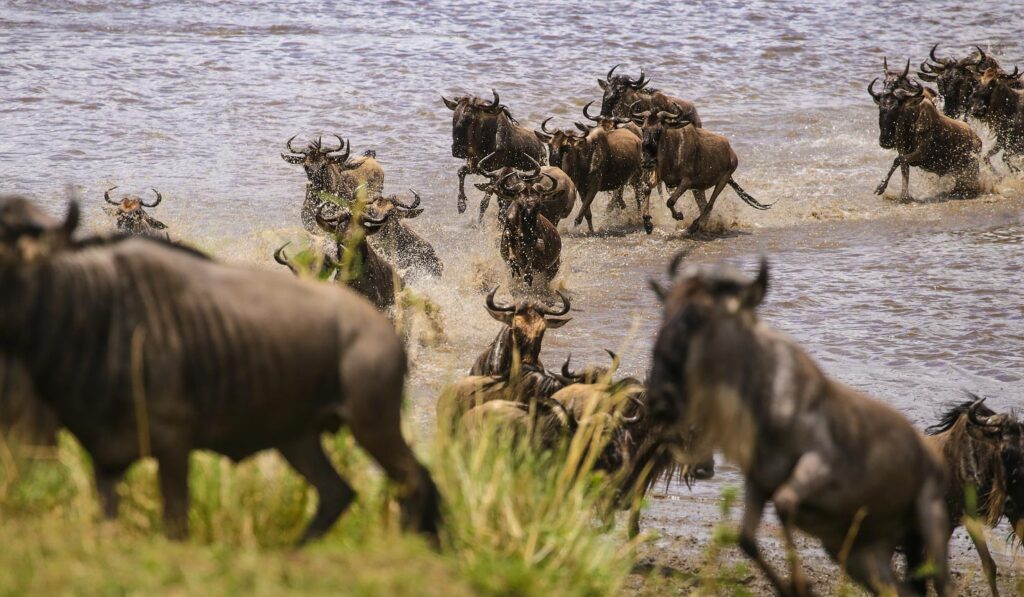
The Mara River crossings during the Great Migration represent nature’s most dramatic spectacle. Between July and October, over two million wildebeest, accompanied by hundreds of thousands of zebras and gazelles, must cross crocodile-infested waters to reach fresh grazing. The chaos, danger, and sheer scale create unforgettable moments as massive Nile crocodiles ambush crossing herds while predators wait on riverbanks.
Luxury camps along the Mara River in Kenya’s Masai Mara or Tanzania’s northern Serengeti position you perfectly. Private guides monitor herd movements, predicting crossing locations and timing. The thundering hooves, desperate swims, and predator attacks create emotional, adrenaline-filled experiences impossible to replicate anywhere else on Earth.
Track Mountain Gorillas in Rwanda's Volcanoes

Trekking through bamboo forests to encounter wild mountain gorillas ranks among the world’s most profound wildlife experiences. Rwanda’s Volcanoes National Park protects these critically endangered primates, with only 1,000 individuals remaining globally. Limited daily permits ($1,500) ensure intimate, respectful encounters with habituated gorilla families.
The moment you lock eyes with a massive silverback, watch mothers tenderly nurse infants, or observe playful juveniles tumbling through vegetation transcends typical wildlife viewing. The hour spent with gorillas passes instantly, yet the emotional impact lasts forever. Luxury lodges like Bisate and Singita Kwitonda provide five-star comfort between treks, with spa treatments, gourmet cuisine, and conservation education programs enhancing the experience.
Hot Air Balloon Safari Over the Serengeti

Floating silently above the Serengeti plains at sunrise offers magical perspectives on East Africa’s endless landscapes. Hot air balloon safaris launch before dawn, carrying passengers over wildlife-rich areas as golden light illuminates the savanna below. Drift over elephants, watch predators hunting, and observe the migration from above, perspectives impossible from ground level.
The flight concludes with champagne breakfasts in the bush, where white-clothed tables appear magically in the wilderness. This bucket-list experience costs $500-$600 per person but delivers unparalleled views and romantic adventure. Book well in advance during peak season as balloon capacities are limited.
Visit Ngorongoro Crater's Natural Zoo
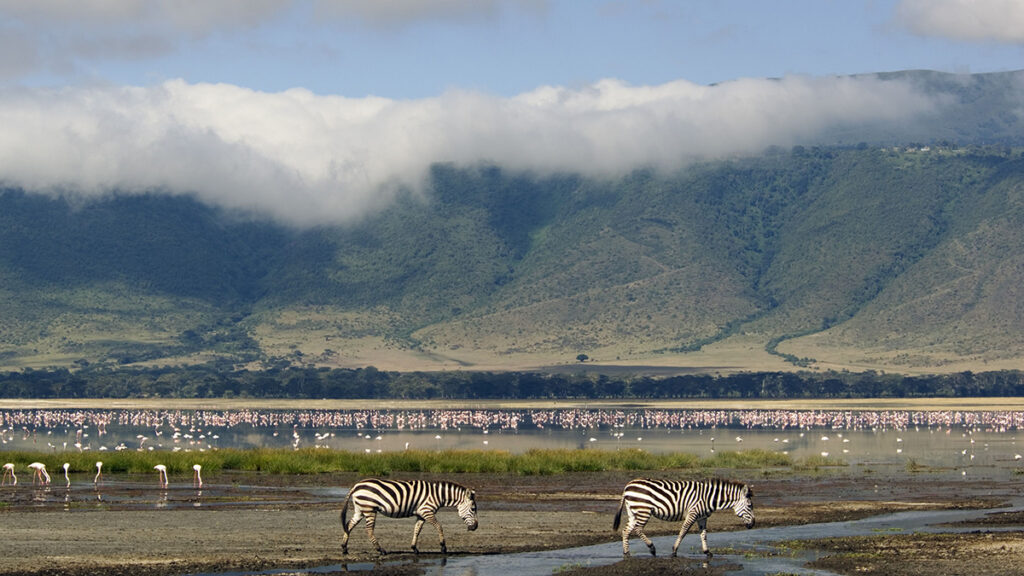
The Ngorongoro Crater functions as nature’s amphitheater, a collapsed volcanic caldera hosting Africa’s densest wildlife populations. This UNESCO World Heritage Site’s 100-square-mile floor contains an estimated 25,000 large animals, including all Big Five species. The crater’s enclosed nature virtually guarantees sightings of lions, elephants, buffalos, leopards, and the rare black rhinoceros.
Descending 2,000 feet into the crater at sunrise reveals landscapes unchanged for millennia. Flamingo-covered soda lakes, swamps frequented by hippos, and grasslands teeming with zebras and wildebeest create a photographer’s paradise. Luxury lodges perched on the crater rim offer spectacular views, with private crater tours avoiding crowds for exclusive wildlife encounters.
Climb Mount Kilimanjaro

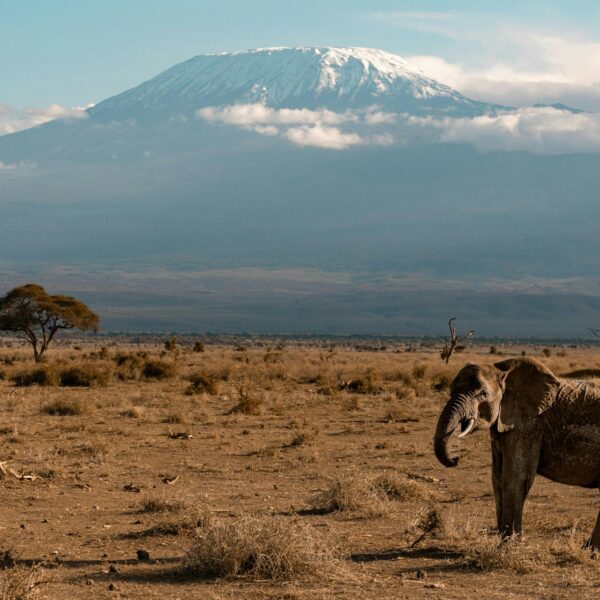
Africa’s highest peak challenges adventurers with its 19,341-foot summit. While technically accessible to fit individuals without mountaineering experience, reaching Uhuru Peak demands determination, proper acclimatization, and mental fortitude. Multiple route options cater to different fitness levels and timeframes, from the popular Machame Route to the scenic Lemosho Route.
Luxury Kilimanjaro experiences include superior camping equipment, experienced guides, gourmet mountain cuisine, and smaller group sizes. Watching sunrise from Africa’s rooftop, standing above the clouds with glaciers nearby, creates profound accomplishment. Combine Kilimanjaro climbs with Serengeti safaris for the ultimate adventure-wildlife combination.
Explore Zanzibar's Spice Island Paradise
After dusty safari adventures, Zanzibar’s pristine beaches provide perfect relaxation. This semi-autonomous archipelago off Tanzania’s coast blends Arab, African, and Indian influences in architecture, culture, and cuisine. Stone Town’s winding alleys reveal centuries of Swahili trading history, while northern beaches showcase powder-white sand and turquoise waters.
Luxury resorts like Zuri Zanzibar and The Residence offer overwater villas, world-class diving, and sunset dhow cruises. Explore spice plantations learning about cardamom, cloves, and vanilla cultivation. Swim with dolphins, visit giant tortoises, or simply relax in beachfront luxury. Zanzibar perfectly complements safari adventures, balancing bush excitement with beach tranquility.
Night Game Drive in Private Conservancies
Night drives reveal Africa’s nocturnal world—leopards hunting, aardvarks foraging, and bushbabies leaping through trees. Prohibited in most national parks, night safaris require private conservancies or exclusive traversing rights. Masai Mara’s conservancies, northern Tanzania’s private areas, and select Kenyan reserves offer this bucket-list experience.
Spotlights illuminate eyes reflecting in darkness—lions on night hunts, hyenas at kills, genets prowling branches, and rarely seen species like African wildcats. The sounds, smells, and atmosphere of nocturnal Africa create thrilling adventures impossible during daylight. Luxury camps in private conservancies include night drives in standard rates, providing regular opportunities for these special experiences.
Walking Safari with Maasai Warriors

Walking through East African wilderness with Maasai guides offers intimate bush experiences and cultural insights. Traditional warriors share tracking skills, plant knowledge, and survival techniques passed down through generations. This slower-paced exploration reveals details missed from vehicles, animal tracks, insect life, and the intricate web connecting all savanna inhabitants.
The physical engagement and measured pace create deeper connections with the landscape. Following fresh leopard tracks on foot, approaching elephants cautiously, or tracking lions produces adrenaline impossible on vehicle safaris. Select conservancies and private reserves offer multi-day walking safaris with fly-camps, combining adventure with luxury mobile camping under the stars.
Chimpanzee Trekking in Uganda's Kibale Forest
Uganda’s Kibale National Park hosts over 1,500 chimpanzees, our closest living relatives sharing 98.7% of human DNA. Trekking through dense forest to observe habituated chimp communities provides fascinating behavioral insights. Watch social interactions, tool use, hunting cooperation, and complex communication that illuminate our evolutionary heritage.
Unlike mountain gorillas’ calm demeanor, chimpanzees display dynamic energy, swinging through canopy, vocalizing loudly, and engaging in dramatic social displays. The rainforest setting contrasts beautifully with open savanna safaris. Luxury lodges like Ndali Lodge provide comfort near Kibale, with permits ($200) more affordable than gorilla trekking while offering equally compelling primate encounters.
Visit Lake Nakuru's Flamingo Spectacle
Kenya’s Lake Nakuru historically hosted millions of flamingos creating pink-hued shorelines visible from space. While numbers fluctuate with water levels and algae blooms, witnessing massive flamingo flocks remains breathtaking. The lake’s alkaline waters support specialized ecosystems attracting diverse waterbirds alongside the park’s resident rhinos, leopards, and Rothschild’s giraffes.
Lake Nakuru National Park combines excellent game viewing with spectacular birdlife. The compact park size allows comprehensive exploration in single days. Luxury lodges on the lake’s edge provide prime viewing positions, with boat excursions offering close flamingo encounters and photography opportunities impossible from shore.
Experience Maasai Culture and Village Life
The Maasai people maintain traditional lifestyles despite the pressures of modernization, offering authentic cultural insights. Visiting real Maasai communities—not tourist shows—provides meaningful experiences. You can learn about livestock herding, warrior traditions, intricate beadwork, and the challenges they face in balancing cultural preservation with contemporary demands.
Engage in traditional ceremonies, learn the basics of the Maa language, understand the cultural significance of cattle, and witness the energetic jumping dances. Responsible cultural tourism through community-run initiatives ensures that locals benefit. Several luxury lodges partner with neighboring Maasai communities to arrange respectful visits that educate guests while supporting traditional livelihoods.
Track Black Rhinos in Private Conservancies
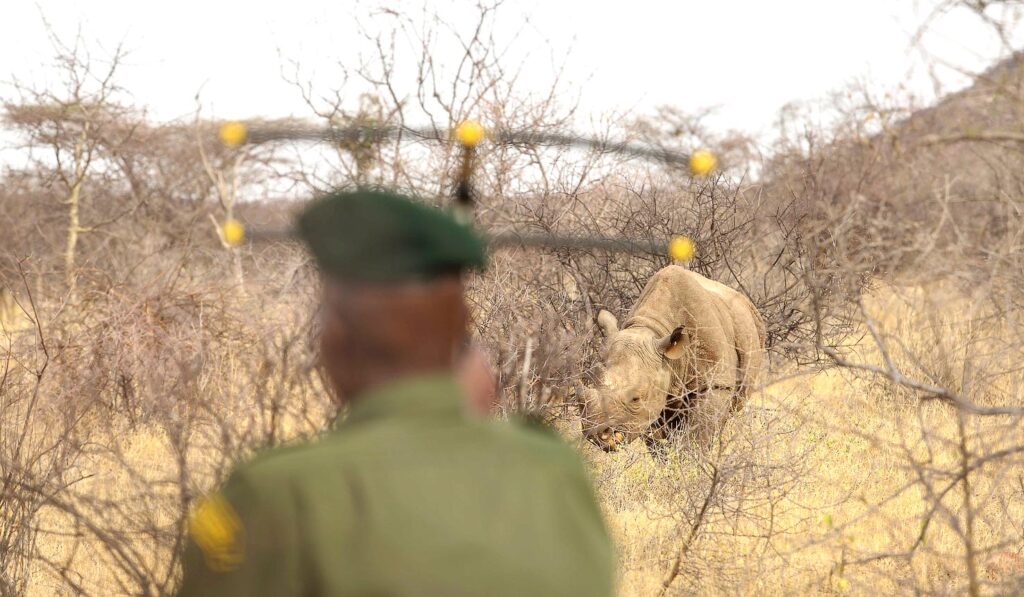
Black rhinos teeter on extinction’s edge with only 5,500 individuals remaining globally. East Africa’s private conservancies play crucial roles in rhino conservation through intensive protection. Tracking these critically endangered animals on foot with armed rangers combines adventure with conservation awareness.
The Ol Pejeta Conservancy in Kenya protects East Africa’s largest black rhino population, offering specialized tracking experiences. The privilege of approaching these prehistoric-looking creatures on foot, learning about anti-poaching efforts, and contributing directly to conservation through tourism fees creates meaningful safari experiences beyond typical wildlife viewing.
Photograph Leopards in the Seronera Valley
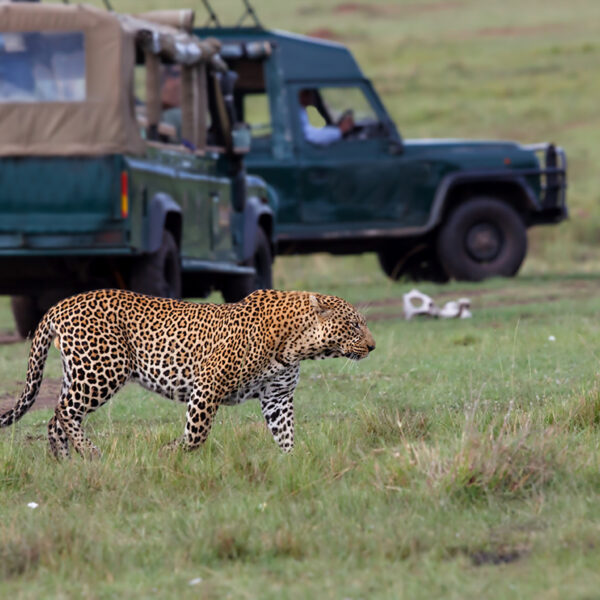
Tanzania’s Seronera Valley in central Serengeti is recognized as one of the top locations for leopard photography due to its high leopard density and habituated individuals that are comfortable near vehicles. This environment allows for significant viewing opportunities as leopards are often seen resting in fever trees, creating striking photographic compositions.
Professional photographic guides utilize their understanding of leopard behavior to position vehicles for optimal lighting and angles. The periods of dawn and dusk provide quality light conditions as leopards are active, either hunting or returning from nighttime activities. Specialized photography safaris feature custom-modified vehicles, expert guides, and small group sizes, enhancing the chances for capturing photographs of these notable spotted cats.
Sleep Under Stars in Luxury Fly-Camps
Mobile fly-camps offer authentic bush experiences with surprising luxury. Set up in remote locations ahead of your arrival, these temporary camps provide comfortable beds, proper bathrooms, gourmet meals, and campfires under crystal-clear African skies—all in complete wilderness isolation.
Fall asleep to lion roars, wake to bird song, and enjoy complete immersion in nature. The ephemeral nature of fly-camps means locations change seasonally following wildlife movements. This sustainable, low-impact approach creates exclusive experiences in pristine environments. Several luxury operators offer multi-day fly-camping expeditions combined with traditional lodge stays.
Witness Calving Season in the Southern Serengeti

January through March transforms the southern Serengeti into nature’s nursery as over 500,000 wildebeest calves are born within weeks. This synchronized birthing strategy overwhelms predators, ensuring higher survival rates. The abundance of vulnerable newborns attracts every predator—lions, leopards, cheetahs, hyenas, and wild dogs create constant action.
Witnessing newborn wildebeest take their first steps minutes after birth, watching protective mothers defend calves, and observing predator hunts provides dramatic wildlife photography and unforgettable moments. This period receives fewer tourists than migration river crossings yet offers equally spectacular wildlife encounters. Luxury mobile camps follow the herds, positioning guests perfectly for optimal viewing.
Planning Your East African Safari Bucket List
Experiencing all fifteen requires multiple trips spanning different seasons. Strategic planning allows combining several experiences in single safaris. Classic itineraries pair northern Tanzania (Serengeti, Ngorongoro) with Zanzibar beaches. Kenya-focused trips combine Masai Mara migration viewing with cultural experiences and conservancy night drives.
Uganda and Rwanda specialize in primate encounters—combine gorilla trekking with chimpanzee viewing for comprehensive great ape experiences. Adventure travelers might combine Kilimanjaro climbs with Serengeti safaris, while luxury seekers focus on exclusive conservancies, fly-camping, and premium lodges.
Most bucket-list experiences concentrate in peak seasons (June-October), meaning premium pricing and advance booking requirements. However, shoulder seasons offer excellent opportunities—calving season (January-March) provides spectacular viewing at moderate prices, while green season brings lush landscapes and newborn animals across species.
Frequently Asked Questions (FAQs)
Witnessing the Great Migration’s Mara River crossings represents East Africa’s most iconic safari moment. The scale, drama, and predator-prey dynamics create unparalleled wildlife spectacles combining natural history, adventure, and emotional impact impossible to replicate elsewhere.
A minimum of seven days allows quality experiences in 1-2 destinations. Ten to fourteen days enables comprehensive exploration combining multiple parks, cultural experiences, and beach relaxation. Three-week safaris allow bucket-list combinations like gorilla trekking, Serengeti migration, and Zanzibar beaches.
June through October offers optimal dry season conditions across most regions, including Great Migration river crossings. January-March provides calving season spectacles in southern Serengeti. Each season offers unique advantages depending on specific wildlife interests and bucket-list priorities.
Absolutely. The Masai Mara and Serengeti share ecosystems and the Great Migration. Many itineraries combine both countries, crossing at designated border points. This approach maximizes migration viewing opportunities and provides diverse experiences across East Africa’s premier safari destinations.
Luxury East African safaris range from $600-$1,500 per person per night for premium lodges and camps. Week-long comprehensive itineraries including flights, accommodations, game drives, and activities typically cost $8,000-$20,000 per person, with gorilla permits adding $1,500 per trek.