From the endless Serengeti plains to the spice-scented shores of Zanzibar, Tanzania is Africa's most complete safari experience.
Tanzania holds a singular place in the safari world. Home to the Serengeti, the Ngorongoro Crater, Kilimanjaro, and the pristine beaches of Zanzibar, this is a country where the scale of nature is genuinely humbling. No other destination on the continent packs this much diversity into a single journey.
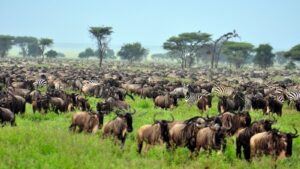
The Serengeti alone covers nearly 15,000 square kilometres of open savannah, riverine forest and kopje-studded grassland. It is the stage for the full cycle of the Great Wildebeest Migration, which moves through Tanzania for nine months of the year before crossing into Kenya’s Maasai Mara. Whatever time of year you visit, the Serengeti delivers. The Ngorongoro Crater, a collapsed volcanic caldera and UNESCO World Heritage Site, supports one of the highest densities of wildlife on earth within its 260 square kilometre floor.
Beyond the northern circuit, Tanzania reveals quieter, wilder corners. The Selous Game Reserve and Ruaha National Park in the south offer remote walking safaris and boat trips along the Rufiji River, with far fewer vehicles and an atmosphere of genuine wilderness. For those who want to end their safari with Indian Ocean breezes and white sand, Zanzibar is just a short flight away.
Tanzania is renowned for its impressive herds of migratory and resident wildlife, making it the backdrop for one of the world’s most remarkable natural phenomena: the Great Migration.
The northern region of Tanzania is home to famous landmarks such as Mount Kilimanjaro, Ngorongoro Crater, and Serengeti National Park, which form part of the “Northern Circuit.” This area also includes the Rift Valley, along with Tarangire and Lake Manyara National Parks, all of which offer stunning landscapes and a variety of adventure opportunities.
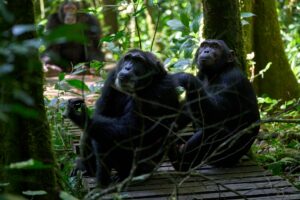
In the western part of the country, along the shores of Lake Tanganyika, visitors can find chimpanzees in two forested areas—the only location in Tanzania where trekking to see these primates is possible.
The southern region of Tanzania, which sees fewer visitors, is characterized by vast and remote wilderness. Here, travelers can embark on boat safaris along the Rufiji River in Nyerere National Park, known previously as Selous Game Reserve, or participate in research-integrated safaris in the secluded Ruaha National Park.
Finally, a safari experience can be capped off by relaxing on the pristine beaches of the Zanzibar Archipelago, renowned as the “spice islands” with a rich history of trade.

Our private Tanzania trips aren’t simply safari circuits. They are thoughtfully crafted, bespoke journeys designed by Africa specialists who understand these landscapes and their rhythms. Each itinerary is tailored to your travel style, whether that means front-row seats to the Great Migration, exclusive-use villas in the Serengeti, or meaningful cultural encounters beyond the game drive.
From the northern Serengeti to the remote south, our Tanzania safaris go beyond the obvious and into the extraordinary.
Eleven days that move from ancient elephant-haunted woodlands, across the thundering plains of the Serengeti
This is the definitive East Africa safari, the journey that allows you to experience the full diversity of the region’s…
11 Days East Africa Safari is the best experience through Kenya and Tanzania visiting the best safari destination
Embark on the ultimate Kenya Tanzania safari adventure combining five of Africa’s most legendary wildlife destinations in one unforgettable journey
Discover why this 8-day best Kenya Tanzania safari ranks among East Africa’s most sought-after wildlife adventures
This is a safari built for travellers who want more than one country’s worth of Africa, from the moment you…
A 3-day luxury Tanzania safari through Tarangire's elephant herds, the Ngorongoro Crater's Big Five, and the culture and waterfalls of…
A 3-day luxury Tanzania safari through Nyerere National Park (Selous), with a Rufiji River boat safari, game drives and a…
A 3-day fly-in luxury safari to the Serengeti and Ngorongoro Crater, with game drives across Tanzania's finest wildlife landscapes.
A 4-day classic Tanzania safari through Tarangire's elephant herds, the Serengeti's endless plains and the Ngorongoro Crater.
A 4-day Tanzania safari from Dar es Salaam, combining Mikumi's wildlife plains with a Masai village visit and an Uluguru…
A 4-day Tanzania camping safari through Tarangire, the Serengeti's Seronera plains and the Ngorongoro Crater, with Olduvai Gorge en route.
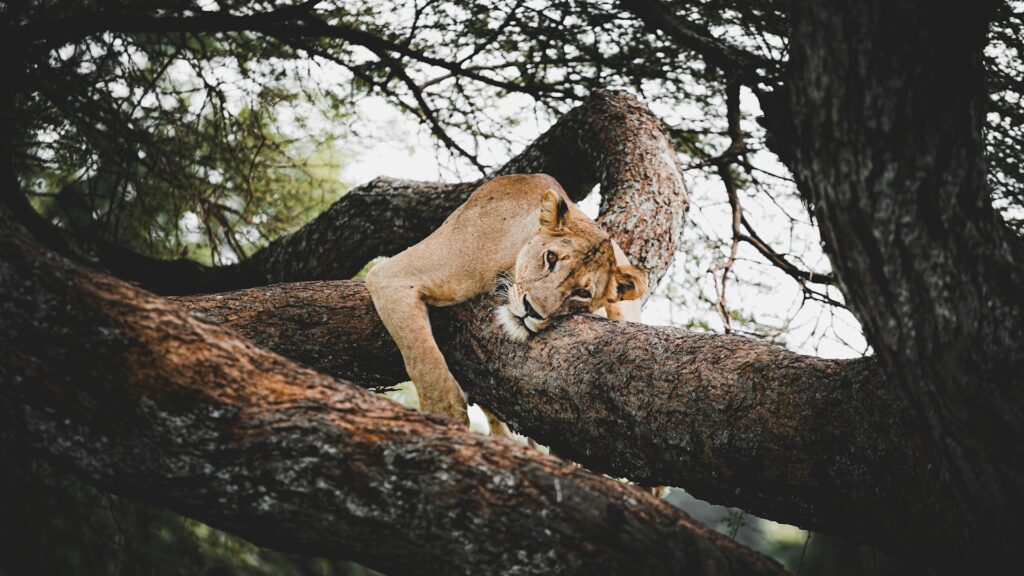
A 5-day luxury northern Tanzania safari through Tarangire's elephants, the Ngorongoro Crater and Lake Manyara's tree-climbing lions.
A 5-day fly-in safari from Zanzibar to the Serengeti, Ngorongoro Crater, Lake Manyara and Tarangire, Tanzania's full northern circuit.
A 5-day Tanzania safari through Tarangire, the Serengeti, Ngorongoro Crater and Lake Manyara, with two full nights inside the crater…
A 6-day flexible luxury Tanzania safari through Tarangire, Lake Manyara, the Serengeti and Ngorongoro Crater, the 8th wonder of the…
A 7-day budget camping safari through Tarangire, Serengeti, Ngorongoro Crater, Lake Manyara and the Materuni waterfalls near Kilimanjaro.
An 8-day mobile camping safari through Lake Manyara, three nights in the Serengeti, the Ngorongoro Crater and Tarangire's elephant herds.
A 9-day luxury Tanzania safari through Arusha, Tarangire, Manyara, Ngorongoro Crater, Ndutu's calving grounds and the Serengeti. From $6,800 per…
An 11-day Tanzania journey through Tarangire, the Serengeti and Ngorongoro Crater, followed by five days on Zanzibar's beaches. From $4,000…
Tanzania rewards the curious traveller. Beyond the game drive, a remarkable range of experiences awaits across this vast and varied country.

Unlike Kenya where the Migration arrives as a highlight, in Tanzania you can follow its full rhythm across the year. From the calving season in the southern Serengeti in February through to the dramatic northern crossings, the Serengeti offers the complete story of one of nature's greatest journeys.

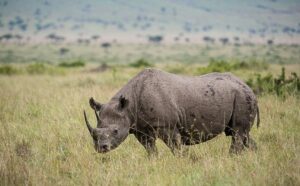
Descend into the world's largest intact volcanic caldera and spend a full day on the crater floor, where lion, elephant, black rhino, buffalo and flamingo share 260 square kilometres of ancient land. Dense wildlife, extraordinary scenery, and a sense of being somewhere truly unlike anywhere else.

In Selous and Ruaha, the walking safari tradition is at its finest. Accompanied by an armed ranger and expert tracker, you move through the bush at pace with nature, reading tracks, identifying plants and encountering wildlife on its own terms.

Journey to the remote shores of Lake Tanganyika and trek into the forest to spend time with habituated chimpanzees. Mahale Mountains National Park is one of the best places on earth to observe our closest relatives in their natural habitat, with no roads and access only by boat or light aircraft.

In the Selous, the Rufiji River is the beating heart of the ecosystem. A boat safari here offers an entirely different perspective, drifting past pods of hippo, basking crocodile and forest kingfishers while elephants drink along the banks. Sundowners on the water are simply unmatched.

A short flight from the mainland brings you to the spice island of Zanzibar, where white sand beaches, turquoise Indian Ocean waters and the labyrinthine lanes of Stone Town await. The perfect counterpoint to days in the bush and one of the world's great travel combinations.
Unlike Kenya where the Migration arrives as a highlight, in Tanzania you can follow its full rhythm across the year. From the calving season in the southern Serengeti in February through to the dramatic northern crossings, the Serengeti offers the complete story of one of nature's greatest journeys.
Descend into the world's largest intact volcanic caldera and spend a full day on the crater floor, where lion, elephant, black rhino, buffalo and flamingo share 260 square kilometres of ancient land. Dense wildlife, extraordinary scenery, and a sense of being somewhere truly unlike anywhere else.
In Selous and Ruaha, the walking safari tradition is at its finest. Accompanied by an armed ranger and expert tracker, you move through the bush at pace with nature, reading tracks, identifying plants and encountering wildlife on its own terms.
Journey to the remote shores of Lake Tanganyika and trek into the forest to spend time with habituated chimpanzees. Mahale Mountains National Park is one of the best places on earth to observe our closest relatives in their natural habitat, with no roads and access only by boat or light aircraft.
In the Selous, the Rufiji River is the beating heart of the ecosystem. A boat safari here offers an entirely different perspective, drifting past pods of hippo, basking crocodile and forest kingfishers while elephants drink along the banks. Sundowners on the water are simply unmatched.
A short flight from the mainland brings you to the spice island of Zanzibar, where white sand beaches, turquoise Indian Ocean waters and the labyrinthine lanes of Stone Town await. The perfect counterpoint to days in the bush and one of the world's great travel combinations.
Tanzania is a year-round destination with distinct seasonal rhythms that shape what you will see and where you should be.
The dry season from June through October is the classic safari window. Vegetation thins, wildlife congregates around water sources, and game viewing is at its most productive. This period also marks the northern Migration crossings into Kenya, making July to September the peak time for river crossing drama in the northern Serengeti.
The short dry season from January to mid-March is calving season in the southern Serengeti, one of Tanzania’s most extraordinary and underrated experiences. Hundreds of thousands of wildebeest calves are born within a matter of weeks, attracting dense predator activity. This is also an excellent time for the Ngorongoro Crater. The long rains from April to May bring a quieter, greener Tanzania with significantly lower rates and thinner crowds, ideal for those who prefer solitude and value.
Best time to visit Off-peak
Everything you need to know about planning your Safaris in Tanzania safari, answered by our specialist team.
Speak with Martin and our specialist team. We'll listen to your vision, design something remarkable, and take care of every detail.
Your details are kept private and never shared with third parties.