Not every safari needs six days to make its case. This one covers Tanzania’s north in three, moving from Tarangire’s baobab-studded plains to the Ngorongoro Crater’s extraordinary wildlife density, and finishing somewhere most safari itineraries never think to go, the villages and waterfalls at the foot of Kilimanjaro itself.
You begin in Tarangire National Park, a landscape defined by ancient baobab trees and some of the largest elephant families in northern Tanzania, drawn to the park’s rivers and water sources especially during the dry season. From there, the Ngorongoro Crater delivers one of Africa’s most concentrated wildlife experiences, a full descent to the crater floor for Big Five sightings against a backdrop few places on earth can match. The final day turns away from wildlife entirely and toward Materuni, a village on the slopes of Kilimanjaro, where a waterfall hike, a local lunch and an afternoon learning the history of the Chagga people give way to a soak in the warm waters of Kikuletwa Hot Springs.
A short, privately guided journey that manages to hold both of Tanzania’s great stories, its wildlife and its people, without asking you to choose between them.
This itinerary suits travellers with limited time who still want Tanzania’s headline wildlife experiences done properly, alongside those who want their safari balanced with genuine cultural depth rather than game drives alone. It works well as a standalone short break or as an add-on before or after a longer East Africa itinerary, and it particularly rewards travellers curious about the Chagga people and the Kilimanjaro foothills, not just the parks themselves.
This itinerary is at its best during the dry season, June to October, when Tarangire’s elephant herds gather densely around the park’s remaining water sources. Ngorongoro Crater’s wildlife concentration holds up well throughout the year, and the Materuni and Kikuletwa day is genuinely enjoyable in any season, so this is a safari with relatively few poor months to travel, even if the Tarangire elephant sightings are at their most dramatic in the dry months
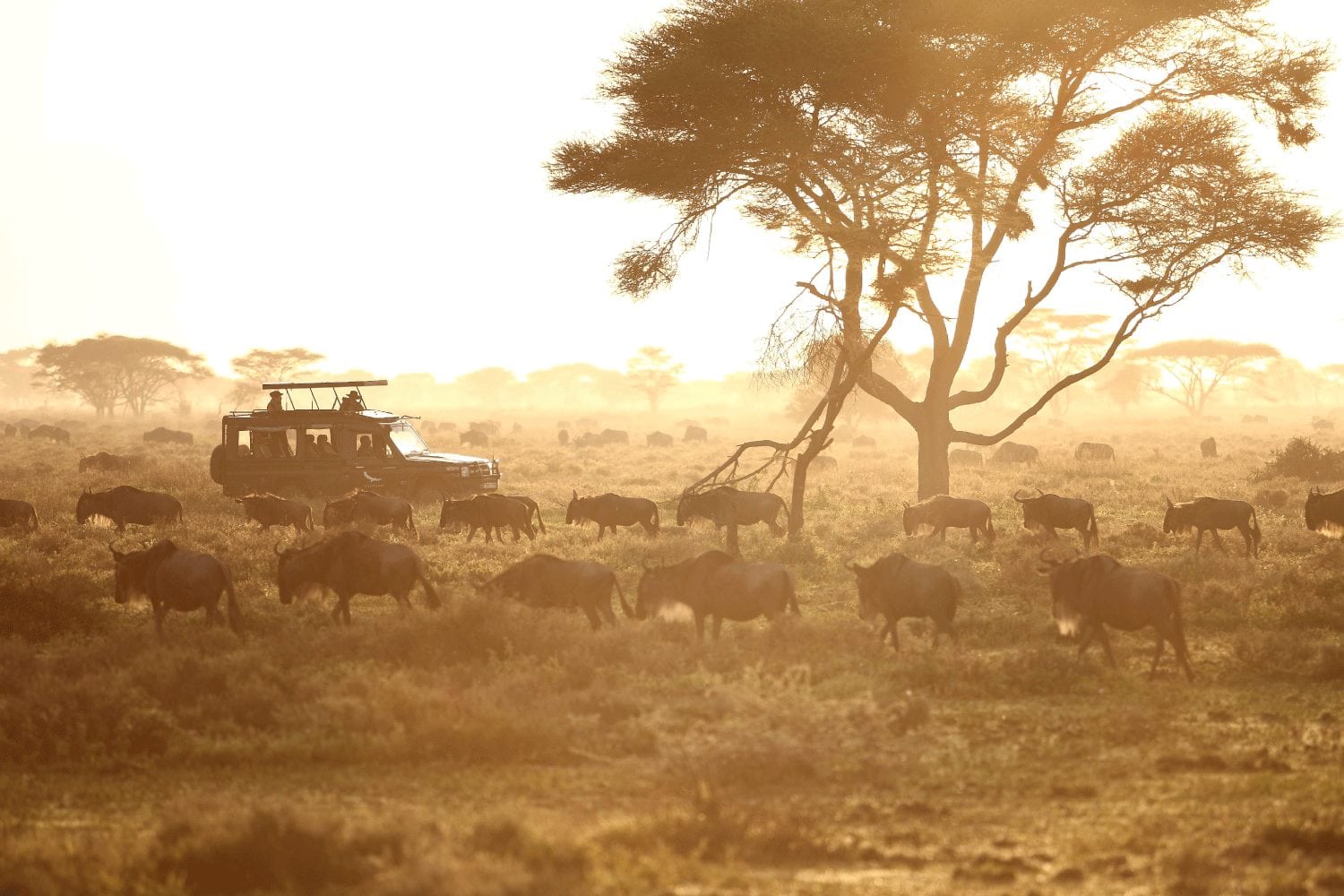
You’ll be collected from Arusha for the two-hour drive to Tarangire National Park, a landscape that earns its reputation as one of northern Tanzania’s most beautiful, defined by giant baobab trees and some of the region’s largest elephant families, drawn here for the park’s water sources especially through the dry season. After checking in, you’ll spend the day fully immersed in the park before driving on in the evening to Mto wa Mbu village for dinner and your overnight stay.
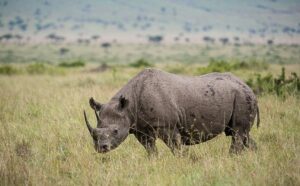
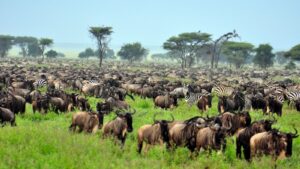
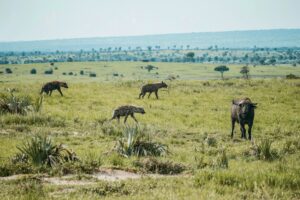
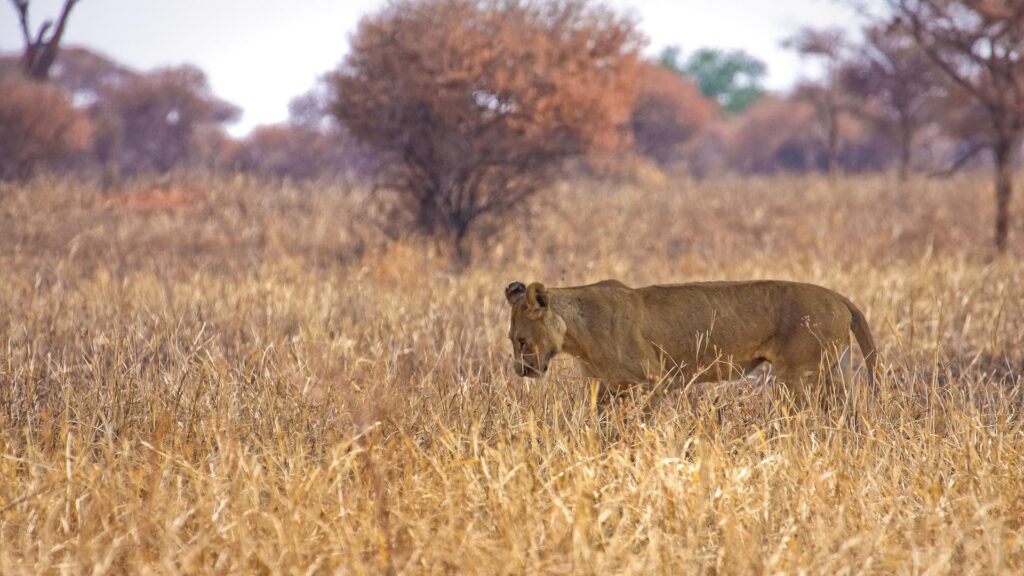
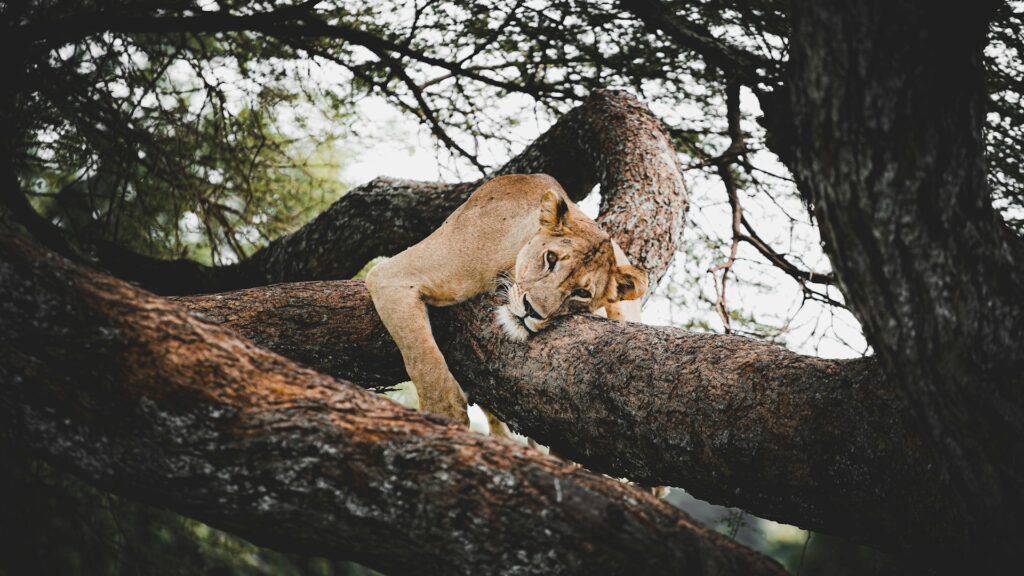
This morning’s drive takes you to the Ngorongoro Crater, and after registration at the entrance gate, you’ll descend 600 metres to the crater floor itself, where the sheer abundance of grazing wildlife rarely fails to impress. The Big Five are well represented here, and lion sightings often include the cats in the middle of a hunt. After lunch, you’ll make the two-hour drive back to Arusha for an overnight stay at Arusha Gateway Lodge, with an upgrade available on request.
After breakfast, it’s a two-hour drive to Materuni village, set at the boundary of Mount Kilimanjaro itself. On arrival, you’ll hike to Materuni’s well-known waterfalls before sitting down to a local lunch buffet and a talk on the history of the Chagga people, the residents of the Kilimanjaro region. From there, it’s a further hour’s drive to Kikuletwa Hot Springs, where you’ll spend the rest of the day, before an evening transfer to the airport or Arusha for your onward journey.
Pricing
Rates for this safari are provided on enquiry and tailored to travel dates, lodge selection (including the Arusha Gateway Lodge upgrade option) and group size. Speak with our team for a bespoke quotation.
Why travel with us
We keep group sizes intentionally small so every guest gets the attention, flexibility, and authenticity a safari deserves.
Our guides are born from the landscapes they lead. Decades of knowledge, sharp eyes, and a genuine passion for East African wildlife.
From comprehensive pre-trip briefings to 24-hour in-country support, your safety and comfort are always our first consideration.
Every safari we operate contributes to wildlife conservation and local community projects across Kenya, Tanzania, and Uganda.
You might also like
Eleven days that move from ancient elephant-haunted woodlands, across the thundering plains of the Serengeti
Embark on the ultimate Kenya Tanzania safari adventure combining five of Africa’s most legendary wildlife destinations in one unforgettable journey
Discover why this 8-day best Kenya Tanzania safari ranks among East Africa’s most sought-after wildlife adventures