The price difference between luxury and budget safaris can range from $150 to over $2,000 per person per night—a staggering gap that leaves many travellers wondering what justifies such dramatic price variations. Understanding exactly what you receive at each price point helps you make informed decisions aligned with your priorities, budget, and travel style.
Accommodation: Where the Biggest Differences Lie
Budget Safari Accommodations ($150-$350 per night)
Budget safari accommodations typically consist of comfortable tented camps or basic lodges with essential amenities. Expect clean, functional rooms with en-suite bathrooms, mosquito nets, and fans or basic air conditioning. These properties often accommodate 30-60 guests, creating a sociable atmosphere but less privacy.
Tents are permanently erected on concrete platforms with proper beds, electricity for limited hours, and shared dining areas. While perfectly adequate, budget camps prioritize functionality over luxury. Hot water may be solar-heated with limited availability, and rooms are serviced once daily.
Mid-Range Safari Accommodations ($400-$700 per night)

Mid-range lodges offer enhanced comfort with stylish decor, better quality linens, private decks, and upgraded bathrooms. Properties accommodate fewer guests, providing more personalized service. Expect 24-hour electricity, reliable hot water, swimming pools, and well-appointed communal areas.
Rooms feature thoughtful touches like quality toiletries, charging stations, and better insulation for temperature control. Many mid-range properties occupy prime locations with excellent game viewing directly from the property.
Luxury Safari Accommodations ($800-$2,000+ per night)

Mid-range lodges offer enhanced comfort with stylish decor, better quality linens, private decks, and upgraded bathrooms. Properties accommodate fewer guests, providing more personalized service. Expect 24-hour electricity, reliable hot water, swimming pools, and well-appointed communal areas.
Rooms feature thoughtful touches like quality toiletries, charging stations, and better insulation for temperature control. Many mid-range properties occupy prime locations with excellent game viewing directly from the property.
Game Drives and Wildlife Viewing
Budget Safari Game Drives
Budget safaris typically offer two daily game drives in larger vehicles accommodating 6-9 passengers. While guides are knowledgeable and certified, the experience is more standardized with set routes and timings. Vehicle quality is functional but basic, with limited modifications for wildlife photography.
Sightings are shared among multiple vehicles via radio, meaning popular animal encounters can draw several safari trucks. Game drives follow strict schedules to accommodate all guests, with less flexibility for spontaneous detours or extended wildlife observations.
Luxury Safari Game Drives

Luxury safaris provide private or small-group vehicles (maximum 4-6 guests) with expert guides often holding advanced qualifications in ecology, birding, or tracking. Vehicles feature custom modifications including camera mounts, swivel seats, and superior suspension for comfort on rough terrain.
Flexibility defines luxury game drives—depart when you choose, stay out longer if tracking interesting wildlife, and enjoy private sightings without other vehicles present. Many luxury operations include walking safaris, night drives (where permitted), and specialized tracking experiences following specific animals like wild dogs or leopards.
Guides at luxury lodges often remember guest preferences from previous drives, anticipating photography needs and wildlife interests. The intimate group size allows for meaningful conversations and deeper learning about ecosystems and conservation.
Food and Beverage
Budget Safari Dining
Budget camps serve buffet-style meals with limited choices, typically one meat option, one vegetarian option, and standard sides. Food quality is generally good but institutional in presentation. Breakfast and lunch are functional, while dinners offer more variety.
Beverages usually include basic soft drinks, local beer, and house wine. Premium liquors, imported beers, and quality wines cost extra. Dietary restrictions can be accommodated with advance notice, but options remain limited.
Luxury Safari Dining
Luxury lodges employ trained chefs who create multi-course gourmet meals rivaling fine restaurants. Expect à la carte menus, fresh ingredients, creative presentations, and accommodation of dietary preferences without advance notice. Many luxury properties feature outdoor dining experiences under the stars, private dinners in the bush, and champagne sundowners.
Premium beverages are fully included: French champagne, aged single malts, extensive wine cellars, and craft cocktails. Some ultra-luxury lodges offer private chefs who customize menus to your tastes throughout your stay.
Guides and Service Levels
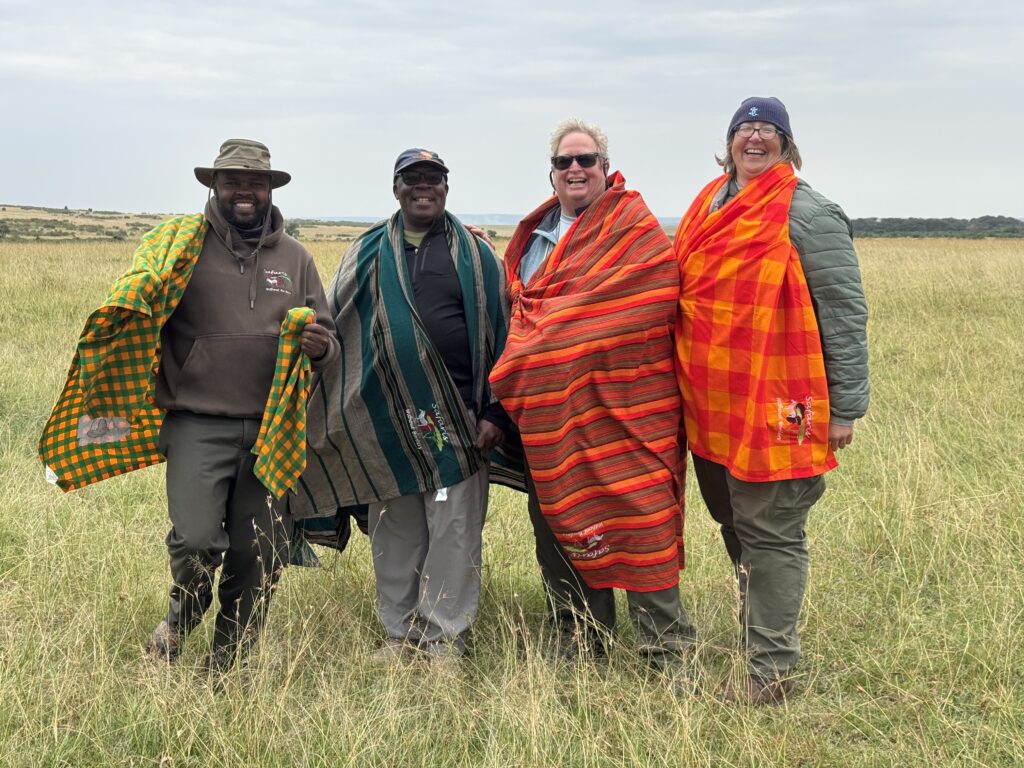
The quality and experience of your guide significantly impacts safari enjoyment. Budget operations employ qualified guides who meet minimum certification requirements. They identify animals competently and share interesting facts, but interactions may feel scripted.
Luxury safaris pair you with elite guides, individuals with years of bush experience, specialized knowledge, and genuine passion for conservation. These guides adapt to your interests, whether photography, birding, predator behavior, or botany. They handle vehicles expertly, position perfectly for photographs, and share insights that transform wildlife viewing into deep educational experiences.
Service at luxury lodges extends beyond game drives. Staff remember your name, preferences for tea or coffee, favorite sundowner drinks, and dietary restrictions without reminders. The attention to detail creates seamless, stress-free experiences.
Location and Exclusivity
Budget safari camps often occupy locations outside premium wildlife areas or share borders with multiple properties. While wildlife viewing remains excellent, you’ll encounter other vehicles and tourists regularly.
Luxury lodges secure exclusive concessions within or adjacent to national parks, offering private traversing rights. This means fewer vehicles, more wildlife to yourselves, and authorization for activities prohibited in public areas like off-road driving and night safaris.
Some ultra-luxury properties lease entire conservancies, guaranteeing complete exclusivity. You might be the only vehicle witnessing a leopard hunt or lion pride interaction, impossible on budget safaris in high-traffic areas.
Additional Activities and Experiences
Budget safaris primarily emphasize game drives, often providing an opportunity for cultural village visits as well. While these experiences can be enriching, it’s important to note that additional activities such as hot air balloon safaris, walking safaris, or mokoro excursions might come at an extra cost and may not be available at every location.
On the other hand, luxury lodges offer a more comprehensive experience, including a wide range of activities in their rates, such as guided bush walks, photographic workshops, conservation experiences, and relaxing spa treatments. Unique adventures like horseback safaris or scenic flights enhance the journey, allowing guests to fully immerse themselves in the wilderness and connect with the beauty around them. These thoughtful inclusions can turn a traditional safari into a profound adventure that nourishes the soul.
Value Propositions: Which is Right for You?
Choose budget safaris if you’re primarily interested in wildlife viewing, comfortable with shared experiences, flexible about accommodations, and want to allocate budget toward longer trips or multiple destinations. Budget safaris deliver excellent game viewing at accessible prices.
Mid-range options suit travelers wanting enhanced comfort without luxury price tags. These properties balance quality accommodations, good food, smaller groups, and better locations while remaining relatively affordable.
Luxury safaris justify their premium pricing through exclusivity, personalization, superior comfort, and transformative experiences. They suit travelers prioritizing quality over quantity, seeking once-in-a-lifetime experiences, celebrating special occasions, or desiring complete relaxation without compromises.
Hidden Costs and Inclusions
When considering a budget safari, it’s important to be aware that park fees, ranging from $50 to $100 per person per day, along with premium beverages, tips, transfers, and extra activities beyond standard game drives, can significantly elevate your total costs by 40-60%. In contrast, luxury safari pricing embraces an all-inclusive approach, covering nearly everything except international flights—all meals, premium beverages, most activities, park fees, laundry, and transfers. This seamless experience allows for fewer surprises and simplifies budgeting. The only additional consideration is tipping for guides and staff, ensuring that your journey is not only memorable but also supported by those who help bring it to life.
Making Your Decision
Consider your priorities honestly. If wildlife photography is paramount, luxury lodges with private vehicles and expert guides provide better opportunities. If you’re content with excellent game viewing in comfortable surroundings, budget options suffice.
Budget allows longer trips—ten days at budget camps costs the same as three days at luxury lodges. Conversely, shorter luxury safaris might deliver more memorable, intimate experiences than extended budget trips.
Many experienced safari-goers recommend combining both—spend a few nights at a luxury lodge for the ultimate experience, then extend your trip at budget camps to maximize game viewing days within budget constraints.
The Middle Ground: Best Value Options
Consider your priorities honestly. If wildlife photography is paramount, luxury lodges with private vehicles and expert guides provide better opportunities. If you’re content with excellent game viewing in comfortable surroundings, budget options suffice.
Budget allows longer trips—ten days at budget camps costs the same as three days at luxury lodges. Conversely, shorter luxury safaris might deliver more memorable, intimate experiences than extended budget trips.
Many experienced safari-goers recommend combining both—spend a few nights at a luxury lodge for the ultimate experience, then extend your trip at budget camps to maximize game viewing days within budget constraints.